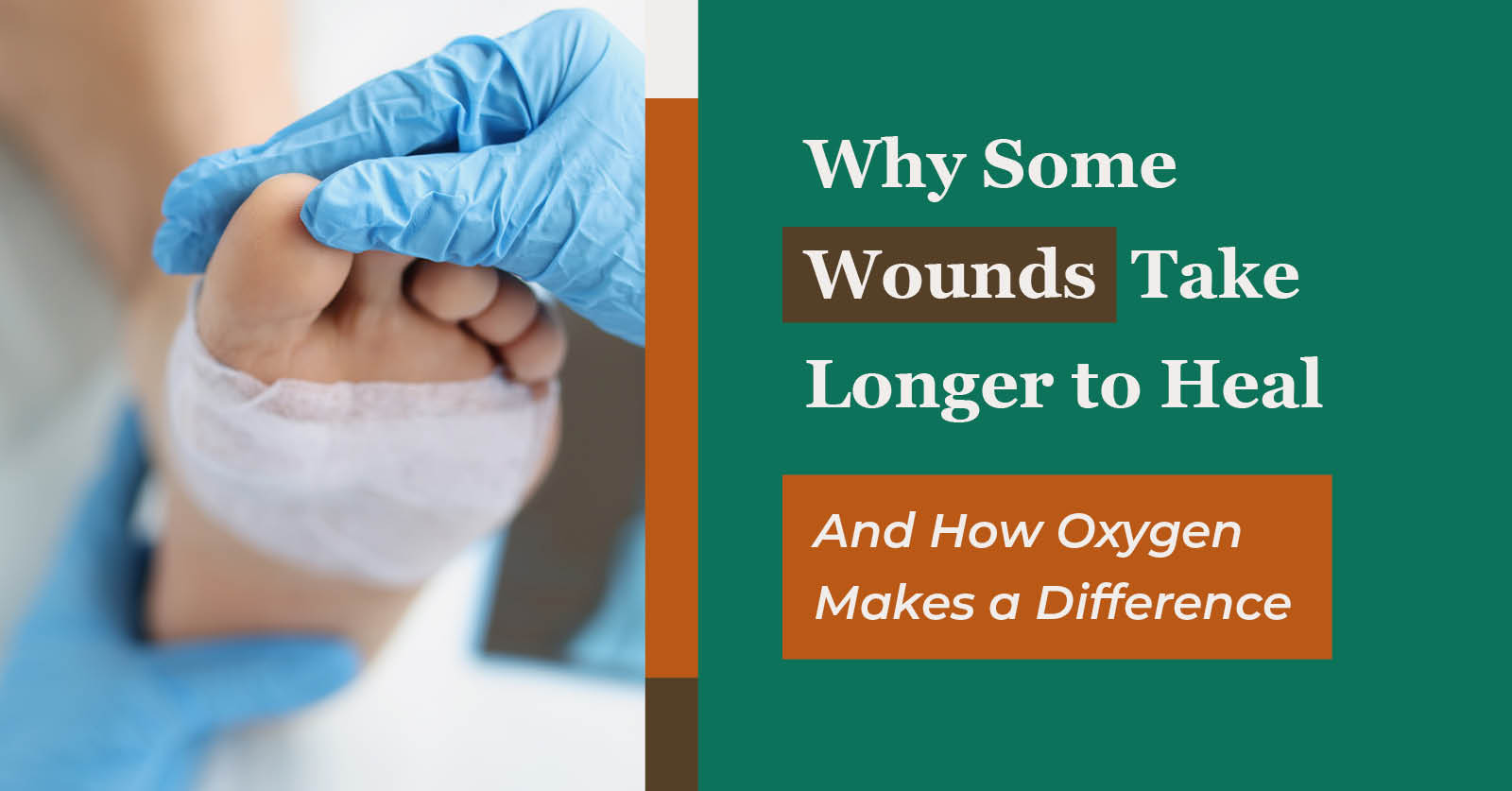
Not every wound heals at the same pace. Understanding why wounds don’t heal begins with understanding how the body repairs itself. Healing is a complex process that depends on healthy circulation, adequate oxygen, proper nutrition, and the body’s ability to build new tissue. When one or more of those factors is disrupted, recovery can slow significantly.
While time is certainly part of healing, the body also needs the right environment to do its work.
Healing is More Than Closing the Skin
Many people think a wound has healed once the skin closes. In reality, wound healing happens in several stages, each requiring careful coordination between cells, blood vessels, and the immune system.
After an injury, the body works to control bleeding, reduce the risk of infection, remove damaged tissue, and begin rebuilding healthy tissue. New blood vessels form, collagen is produced, and cells communicate continuously to support repair.
Each step requires energy, and that energy depends on oxygen.
Why Oxygen Plays Such an Important Role
Every cell involved in healing relies on oxygen to function properly. Oxygen helps cells produce energy, supports collagen formation, assists immune function, and contributes to the development of new blood vessels.
When oxygen delivery is reduced, healing may become slower or less efficient. This can happen for many reasons, including poor circulation, diabetes, vascular disease, radiation injury, or other medical conditions that affect blood flow.
Researchers continue studying ways to improve oxygen availability so the body can better support its own natural healing processes.
Why Some Wounds Heal Slowly
A wound may take longer to heal when the body struggles to deliver the resources needed for repair.
Several factors can contribute to delayed healing, including:
- Diabetes
- Poor circulation
- Infection
- Swelling or inflammation
- Radiation damage
- Pressure injuries
- Certain medications
- Smoking
- Nutritional deficiencies
In many cases, more than one factor is involved.
Understanding what is slowing the healing process is often the first step toward finding appropriate treatment.
How Hyperbaric Oxygen Therapy Supports Wound Healing
Hyperbaric oxygen therapy, commonly known as HBOT, allows patients to breathe pure oxygen inside a carefully controlled pressurized chamber. The increased pressure allows more oxygen to dissolve into the plasma, helping oxygen reach tissues throughout the body more effectively.
For certain patients, this increased oxygen availability may help support tissue repair, encourage new blood vessel growth, and create an environment that promotes healing.
HBOT has become an established treatment option for several approved wound-related conditions and continues to be studied across additional areas of wound care.
Healing Takes the Right Environment
The body already knows how to heal. Sometimes it simply needs better support.
Whether healing follows surgery, an injury, or a chronic wound, creating the right conditions can make a meaningful difference. Oxygen is one of the most important pieces of that environment, which is why therapies like HBOT continue to play an important role in modern wound care.
Learning More About Your Options
Every wound is different, and every recovery journey is unique. If you or a loved one is dealing with a wound that is healing more slowly than expected, talking with a healthcare provider about available treatment options can be an important next step.
Understanding why wounds heal slowly is often the beginning of helping the body heal more effectively.
To learn more or see if Hyperbaric Oxygen Therapy is right for you, contact our team today!