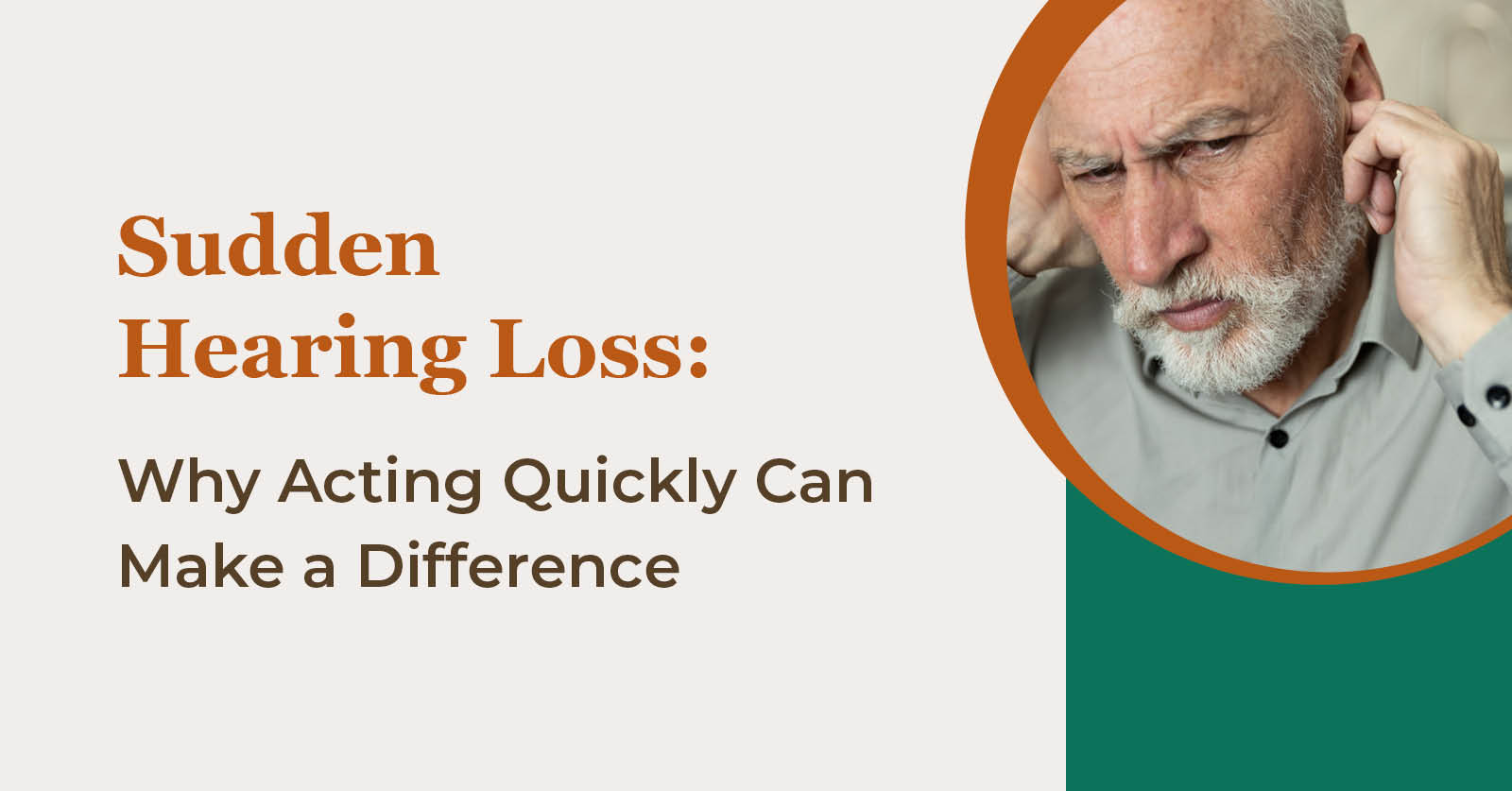
Imagine waking up one morning and realizing you can’t hear properly out of one ear.
Maybe everything sounds muffled. Perhaps there’s an unfamiliar ringing or a feeling of fullness, almost as though your ear needs to pop. You might assume it’s congestion, allergies, or something that will clear up on its own.
But sudden hearing loss isn’t always a minor problem, and waiting to see whether it improves can mean missing an important treatment window.
For certain patients, hyperbaric oxygen therapy for sudden hearing loss may be an option alongside other medical treatments. Understanding when and why it’s used begins with recognizing the condition itself.
What is Sudden Sensorineural Hearing Loss?
Sudden sensorineural hearing loss, sometimes called sudden deafness, is a rapid loss of hearing caused by a problem involving the inner ear or the nerve pathways responsible for hearing.
It typically develops over a period of hours or up to three days and often affects only one ear.
Unlike hearing loss caused by earwax or fluid behind the eardrum, sensorineural hearing loss involves the structures that convert sound into signals the brain can interpret.
In many cases, physicians cannot identify a single clear cause.
Possible contributing factors include viral illness, inflammation, circulation problems, autoimmune conditions, or other changes affecting the delicate structures of the inner ear.
The Warning Signs Aren’t Always Obvious
Sudden hearing loss doesn’t necessarily mean complete deafness.
Some people notice a dramatic reduction in hearing. Others experience subtler changes that are easy to dismiss.
Symptoms may include:
- A sudden decrease in hearing in one ear
- Muffled or distorted sounds
- Ringing or buzzing in the ear, known as tinnitus
- A feeling of fullness or pressure
- Difficulty understanding speech
- Dizziness or balance problems
Because these symptoms can resemble less serious ear conditions, people sometimes delay seeking care.
A sudden, unexplained change in hearing should be treated as a medical urgency. Prompt evaluation by an ear, nose, and throat specialist or another qualified medical professional is important, ideally the same day.
If sudden hearing changes occur with facial weakness, trouble speaking, severe imbalance, or other neurological symptoms, emergency evaluation is necessary.
Why Early Treatment Matters
The inner ear contains highly specialized sensory cells that help convert sound vibrations into electrical signals.
These structures depend on a reliable supply of oxygen and nutrients to function.
When sudden sensorineural hearing loss occurs, treatment may be most effective during the early period following symptom onset.
Physicians may recommend corticosteroids to address inflammation and other possible contributors to hearing loss. Treatment may involve oral medication, injections through the eardrum, or a combination of approaches.
Some patients experience spontaneous improvement, but there is no reliable way to know in advance who will recover without treatment.
That uncertainty makes early medical evaluation especially important.
How Oxygen Relates to Hearing Function
The inner ear has a complex system of fluid-filled structures and delicate sensory cells.
These cells require energy to maintain the processes involved in hearing. Oxygen is essential to that energy production.
Researchers have explored whether increasing oxygen availability in the inner ear may help support recovery in certain cases of sudden sensorineural hearing loss.
This is where hyperbaric oxygen therapy enters the conversation.
How Hyperbaric Oxygen Therapy for Sudden Hearing Loss Works
During HBOT, patients breathe 100% oxygen in a pressurized chamber.
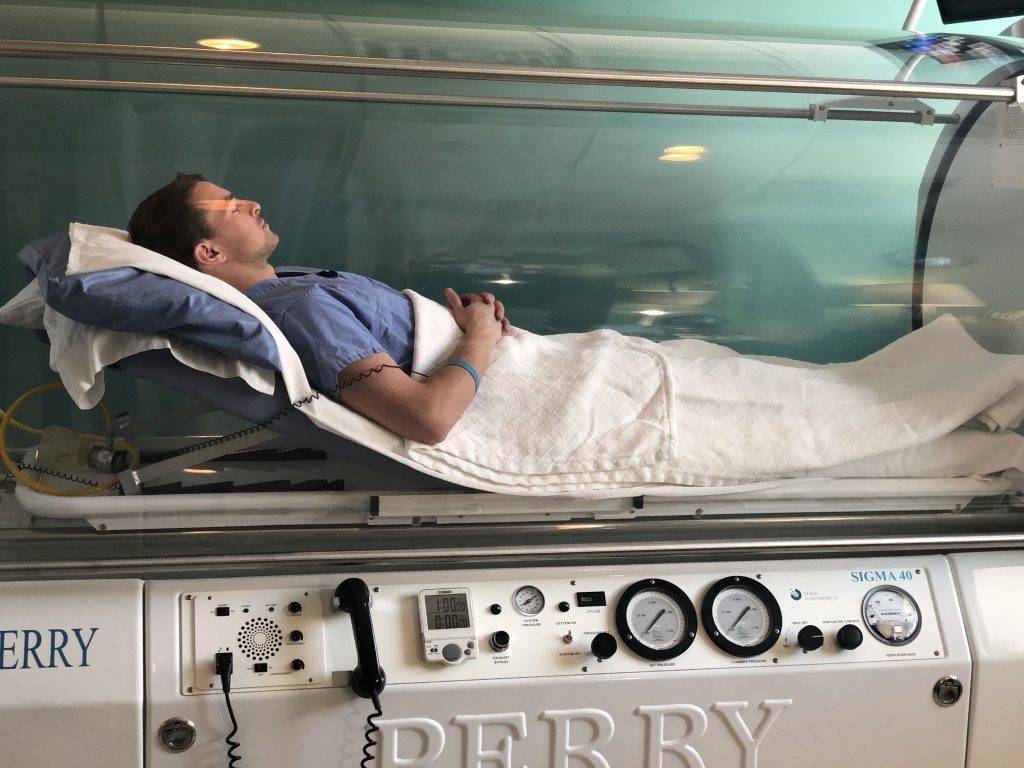 The increased atmospheric pressure allows more oxygen to dissolve into the bloodstream, raising the amount of oxygen available to tissues.
Researchers believe this increased oxygen availability may help support the inner ear during the early stages of certain hearing injuries.
Hyperbaric oxygen therapy for sudden hearing loss is generally considered as an additional treatment alongside corticosteroids, rather than a replacement for standard medical care.
The American Academy of Otolaryngology–Head and Neck Surgery identifies HBOT combined with steroid therapy as an option for selected patients with sudden sensorineural hearing loss.
Timing Can Make a Difference
Unlike some conditions where HBOT may be considered months or years after an injury, sudden sensorineural hearing loss has a relatively narrow treatment window.
Clinical guidelines identify two potential opportunities:
- Initial treatment: HBOT combined with corticosteroids may be offered within two weeks of symptom onset.
- Additional or salvage treatment: HBOT combined with corticosteroids may be considered within one month of symptom onset when hearing has not adequately recovered.
These timeframes reflect the importance of early intervention. They do not mean every patient will benefit, and treatment decisions depend on the individual medical evaluation.
Because the window is limited, patients should not delay specialist care while researching HBOT.
Is HBOT Right for Everyone With Hearing Loss?
No. Hyperbaric oxygen therapy is not a general treatment for all types of hearing loss.
Gradual age-related hearing changes, earwax buildup, middle-ear infections, and other hearing problems have different causes and treatment approaches.
HBOT is specifically considered in selected cases of sudden sensorineural hearing loss.
A hearing evaluation, medical history, and specialist assessment are necessary to determine the type of hearing loss and the most appropriate treatment.
Protecting the Sounds That Matter
Hearing connects us to conversations, music, family, work, and the everyday moments that make life meaningful.
A sudden change can be frightening, particularly when it happens without warning or an obvious explanation.
The encouraging part is that treatment options exist, and understanding the importance of early evaluation can make a meaningful difference.
For appropriately selected patients, hyperbaric oxygen therapy for sudden hearing loss may be one component of a coordinated treatment plan.
At Baromedical Associates, our team can help patients and referring physicians understand how HBOT may fit into the treatment of sudden sensorineural hearing loss.
If you’ve experienced a sudden change in hearing, seek prompt medical evaluation. If HBOT is recommended, contact our team to learn more about treatment availability.