Our state-of-the-art hyperbaric oxygen therapy (HBOT) clinics provide cutting-edge treatment for chronic non-healing wounds. From diabetic wounds to radiation tissue damage, our advanced therapies can enhance healing and improve your quality of life.
According to the Diabetics Association, approximately 20% of diabetics will need an amputation due to a non-healing diabetic wound. However, when Hyperbaric Oxygen Therapy (HBOT) is added to the wound treatment protocol, 87% of those amputations can be avoided.
Schedule your consultation today and embark on a journey toward healing.
With hyperbaric oxygen therapy, patients breathe 100% pure oxygen while in a pressurized chamber. This can increase oxygen intake by 10-15 times, which can:
HBOT for wound healing is typically used with other standard wound care treatments to optimize results and has shown efficacy in treating various types of wounds, including but not limited to:
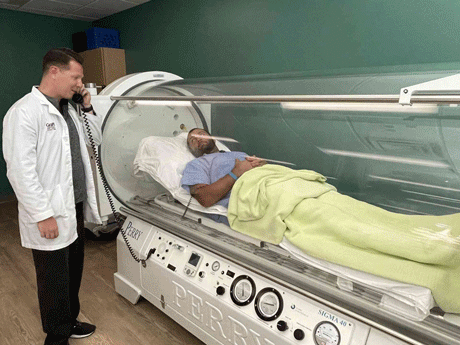
For over 13 years, Baromedical Associates has been a leading Hyperbaric Oxygen Therapy provider in the Dallas Metro Area.
Our team of experienced medical professionals and state-of-the-art facilities make us the top choice for patients seeking treatment for various conditions, including non-healing diabetic wounds, bone infections, radiation tissue damage after cancer treatments, migraine headaches, dementia or memory issues, Lyme disease, autism, stroke, brain injury, and sports injuries. Our Dallas location is known as Texas Specialty Hyperbarics, located inside the Park Cities Medical Plaza.
The HBOT process involves several important components to ensure safe and effective treatment. The most important parts of the process include:
Generally, HBOT is most effective when initiated as early as possible in the treatment course. For acute conditions such as carbon monoxide poisoning or decompression sickness, failed graft, immediate treatment is essential to minimize damage and promote recovery.
HBOT is typically initiated for chronic wounds after other standard wound care measures have been attempted without success. However, every patient is unique, and a healthcare professional should determine the timing of HBOT based on individual circumstances and the specific condition being treated.
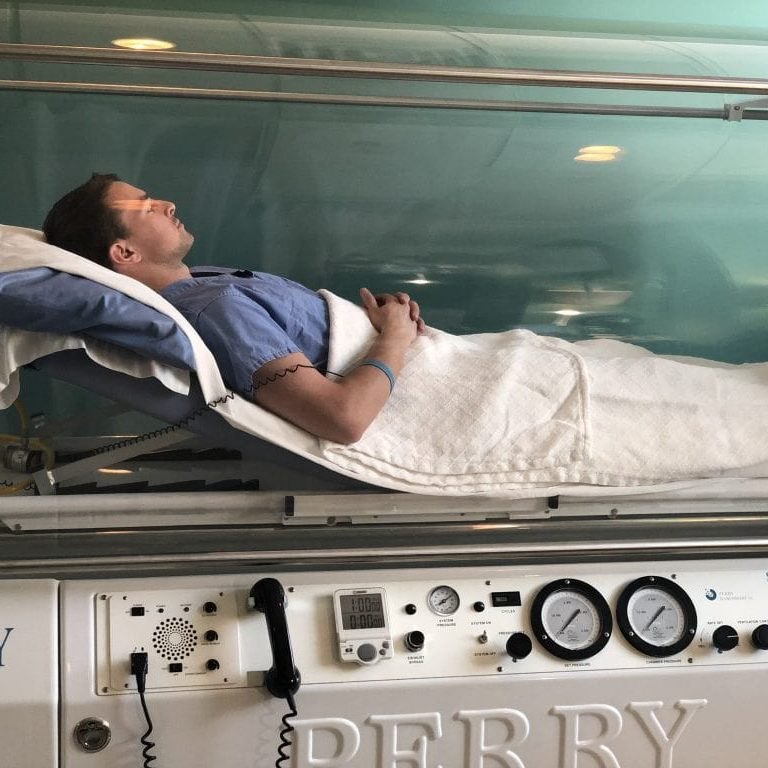
Baromedical Associates clinics are here to provide the most advanced and effective hyperbaric oxygen treatment for wound healing in the DFW area. Our team of experienced professionals is dedicated to improving your quality of life by offering cutting-edge treatments in a luxurious, private setting.
Treatment takes place in the largest FDA approved, clear acrylic single person chambers made. Take the first step towards healing and schedule your consultation today.
At Baromedical Associates (serving the Dallas Metro Area and international patients), we have decades of experience in advanced hyperbaric oxygen therapy (HBOT). Below, we’ve simplified your most asked insurance questions around HBOT for wound care.
In many cases, yes. Most insurance plans, Medicare, Medicaid, and a wide range of private insurers offer HBOT wound care insurance coverage when the wound meets clinically recognized criteria. This often includes diabetic wounds, certain graft and flap complications.
That said, coverage depends on your plan, your wound’s diagnosis and severity, prior treatment, and whether the wound meets documented “failure to heal” benchmarks under standard care. Many insurance policies emphasize HBOT only when standard wound therapy has been attempted and healing is stalled.
So, yes, HBOT reimbursement for wound care can be available, but you’ll need to check with your own insurer and meet the necessary documentation and wound condition requirements.
Insurance companies tend to approve HBOT reimbursement for wound care for conditions that show stalled healing or tissue that needs additional oxygen support. The most commonly approved wound types include:
A quick phone call to your insurance company can usually confirm your benefits. Here’s a simple way to check:
We at Baromedical Associates are happy to provide you with the relevant diagnosis and treatment codes and to assist in speaking with your insurance if needed.
Insurance companies and CMS look for clear documentation that HBOT is medically necessary. Typical documentation requirements include:
Yes, most plans place limits, but they vary. Many insurers approve an initial block of sessions, often around 10 to 20, and then require updated wound measurements to approve additional treatments. Medicare generally expects to see consistent progress every 30 days.
Because the progress of every wound is unique, our team keeps detailed records to support ongoing HBOT reimbursement for wound care.
Yes, though specifics vary, and eligibility depends on individual circumstances. We understand that treatment cost can be a concern, and our team can help explore options, including:
In some cases, if your insurance doesn’t cover your wound condition for HBOT, we may provide a detailed quote and help you understand the out-of-pocket cost. We can also help you evaluate whether the benefit of treatment makes sense in your situation.
We are one of the most experienced hyperbaric providers in the world, with four Dallas-area locations serving local, national, and international patients. Our team has been leading the field in advanced wound-care HBOT for decades, including pediatric wound care—an area where very few clinics have our level of expertise.
We’re here to guide your family with clarity, compassion, and world-class medical care.
Getting started with HBOT insurance coverage in the Dallas Metro Area is simple with Baromedical Associates. Our team guides you through your benefits, explains what your plan may cover, and handles the paperwork needed to begin HBOT therapy for wound care. When you’re ready, give us a call and we’ll help you take the next step toward the supportive care you deserve.