A Closer Look at the Physiology of Pressurized Oxygen
Hyperbaric oxygen therapy (HBOT) often raises a natural question: what actually happens inside the body during treatment? While the experience itself may feel simple—resting comfortably in a pressurized chamber while breathing oxygen—the physiological changes taking place beneath the surface are meaningful.
At its core, HBOT works by increasing the amount of oxygen available to the body’s tissues. Oxygen is essential for many of the biological processes that support maintenance, repair, and recovery. By temporarily enhancing how oxygen moves through the bloodstream, hyperbaric therapy creates conditions that can support the body’s natural healing systems.
Understanding this process can make the therapy feel far less mysterious.
The Body’s Relationship with Oxygen
Every cell in the body relies on oxygen to function. Oxygen helps fuel cellular energy production, which allows tissues to carry out everyday processes such as maintaining structure, supporting circulation, and repairing normal wear and tear.
Under normal conditions, oxygen travels through the bloodstream attached primarily to red blood cells. These cells deliver oxygen throughout the body as blood circulates.
This system works remarkably well. However, there are times when certain tissues may benefit from greater oxygen availability—particularly during periods when the body is actively working to restore or maintain tissue health.
Hyperbaric oxygen therapy focuses on temporarily expanding how much oxygen the bloodstream can carry.
How Increased Pressure Changes Oxygen Delivery
HBOT takes place inside a single-person chamber where air pressure is carefully increased while the patient breathes pure oxygen.
This combination of increased atmospheric pressure and concentrated oxygen changes how oxygen behaves in the bloodstream. In addition to attaching to red blood cells, oxygen is able to dissolve directly into the plasma—the liquid portion of the blood.
When oxygen dissolves into plasma, it can circulate more freely throughout the body. This means tissues may have access to higher levels of oxygen than they would under normal atmospheric conditions.
Rather than replacing the body’s natural oxygen delivery system, hyperbaric therapy simply expands its capacity for a period of time.
Why Cells Benefit From Greater Oxygen Availability
Cells rely on oxygen to generate energy through metabolic processes that power nearly every biological function. When oxygen levels are sufficient, tissues are better able to maintain themselves and respond to physical stress.
During HBOT sessions, the temporary increase in circulating oxygen may help support several important physiological activities, including:
- Cellular energy production
- Tissue maintenance processes
- Circulatory efficiency
- The body’s natural response to physical strain
It’s important to understand that HBOT does not force these processes to occur. Instead, it provides an environment where the body’s existing systems can function with greater access to oxygen—one of their most essential resources. Learn more on our FAQ page.
The Role of Circulation in Recovery
Circulation is central to how the body maintains balance. Blood delivers oxygen, nutrients, and signaling molecules throughout the body while also carrying away metabolic byproducts.
By increasing the amount of oxygen dissolved in the bloodstream, hyperbaric oxygen therapy can support this circulatory network. Oxygen carried within plasma can move into tissues that may not always receive abundant oxygen through red blood cells alone.
This expanded distribution of oxygen is one reason HBOT is used in carefully supervised medical settings as part of broader recovery strategies.
What the Experience Feels Like
Although important physiological changes are occurring internally, the experience of HBOT itself is typically quiet and relaxing.
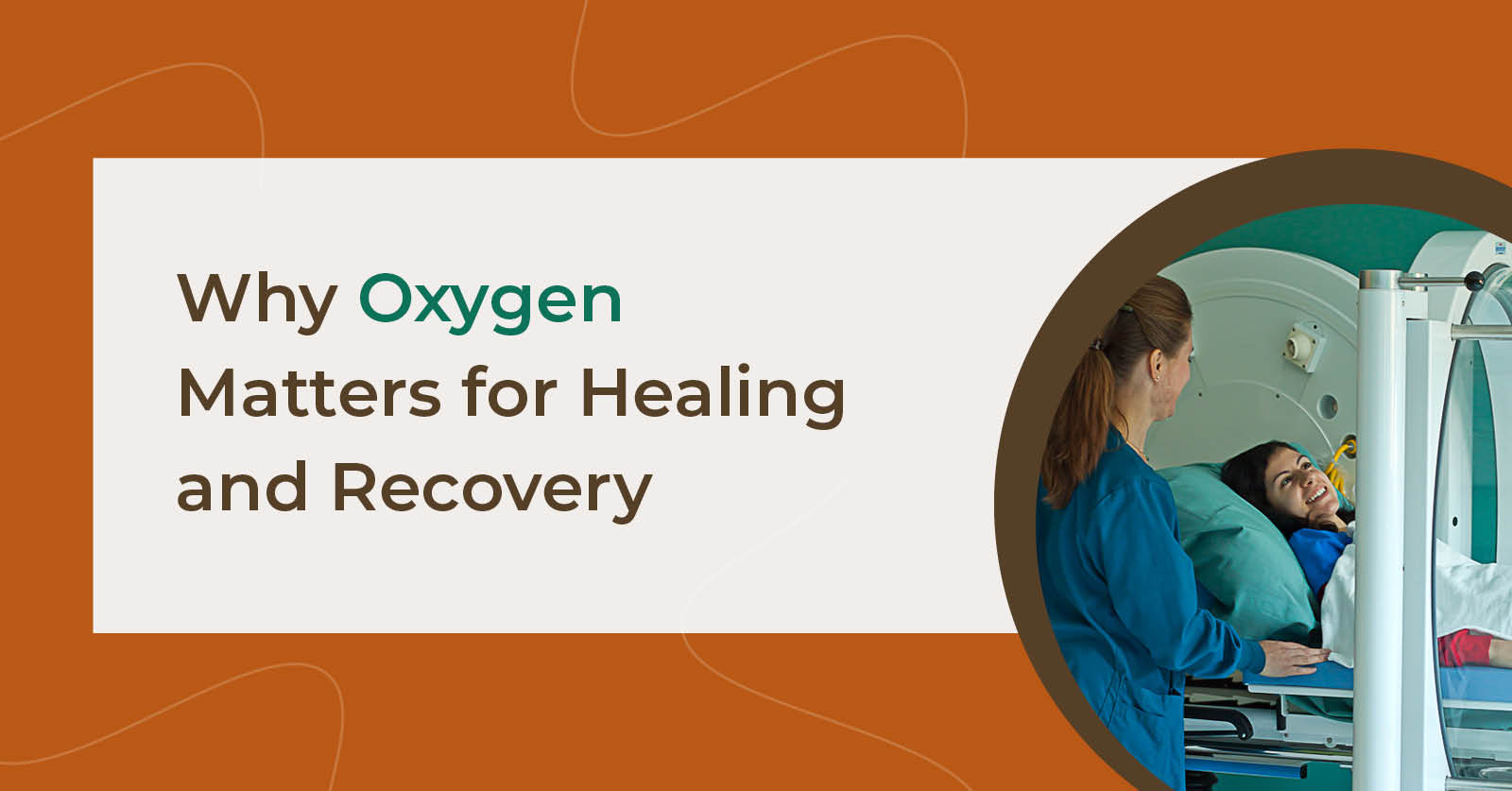
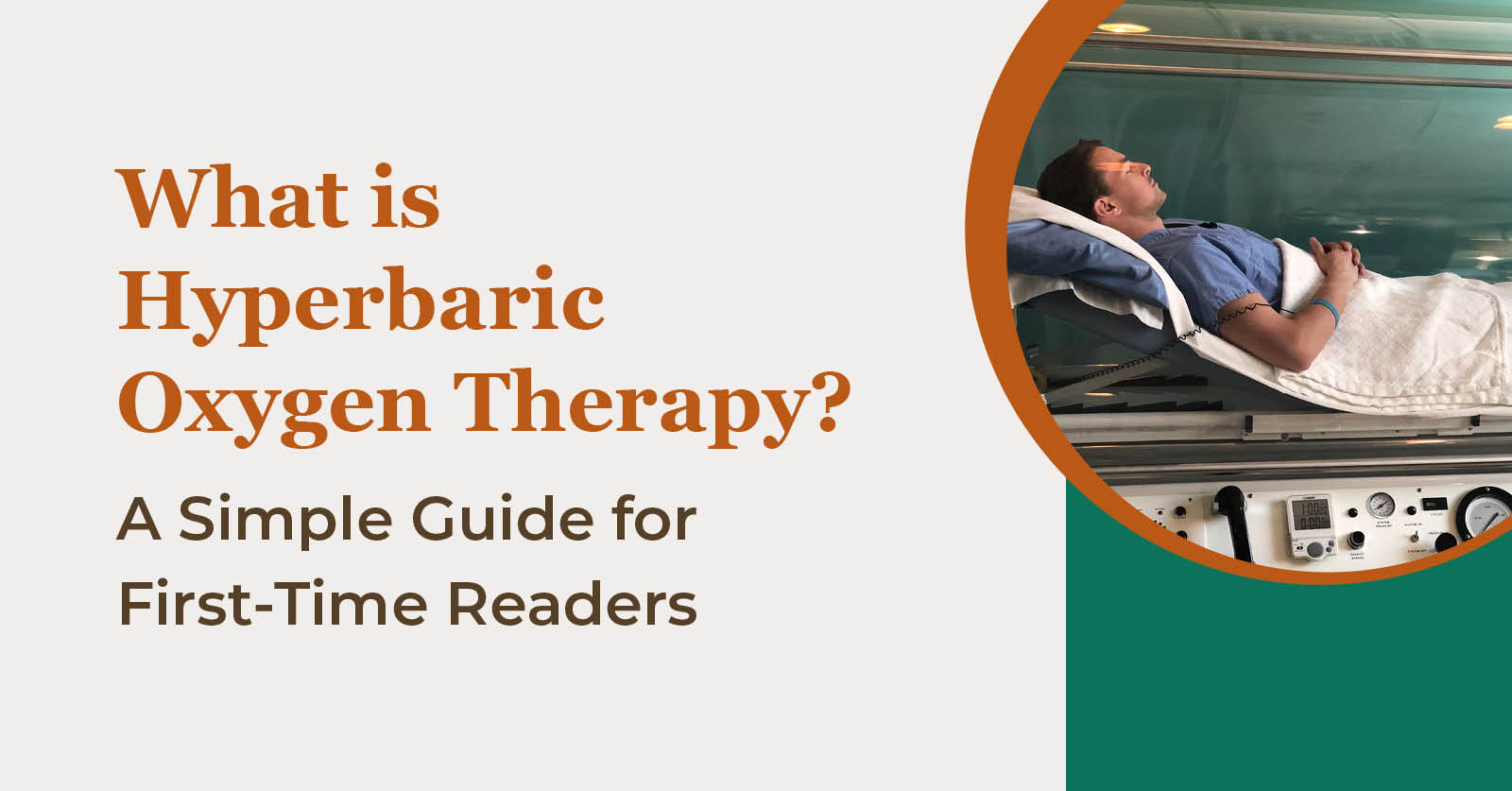
Patients rest inside a clear, single-person chamber while pressure gradually increases—often described as similar to the gentle pressure changes felt during airplane travel. Once the chamber reaches the appropriate pressure, patients simply breathe normally while oxygen circulates through the chamber.
At Baromedical Associates, treatments take place in chambers manufactured by Perry Baromedical, a company known for designing medical-grade hyperbaric equipment used in clinical environments.
Throughout the session, trained professionals monitor the treatment to ensure comfort and consistency.
Many people find the environment restful, using the time to relax, listen to music, or simply take a break from daily activity.
Supporting the Body’s Natural Systems
One of the most helpful ways to think about hyperbaric oxygen therapy is as a method of supporting the body rather than directing it.
The body already possesses complex systems designed to maintain and restore tissue health. Oxygen plays a central role in many of those systems. By temporarily increasing oxygen availability in a controlled setting, HBOT offers an additional layer of support for processes that are already occurring naturally.
Because of this, hyperbaric therapy is typically integrated thoughtfully into a broader care plan guided by healthcare professionals.
A Simple Concept Behind Advanced Technology
Although hyperbaric chambers may appear technologically advanced, the principle behind HBOT remains straightforward: oxygen availability matters.
When the body has reliable access to oxygen, its biological systems can carry out the everyday work of maintaining and restoring tissue health more effectively. Hyperbaric oxygen therapy simply creates an environment where that access can be temporarily expanded.
For individuals exploring recovery-supportive therapies, understanding what happens inside the body during HBOT can transform something unfamiliar into something much easier to grasp. Check out all 4 of our DFW locations to see which is closest to you.